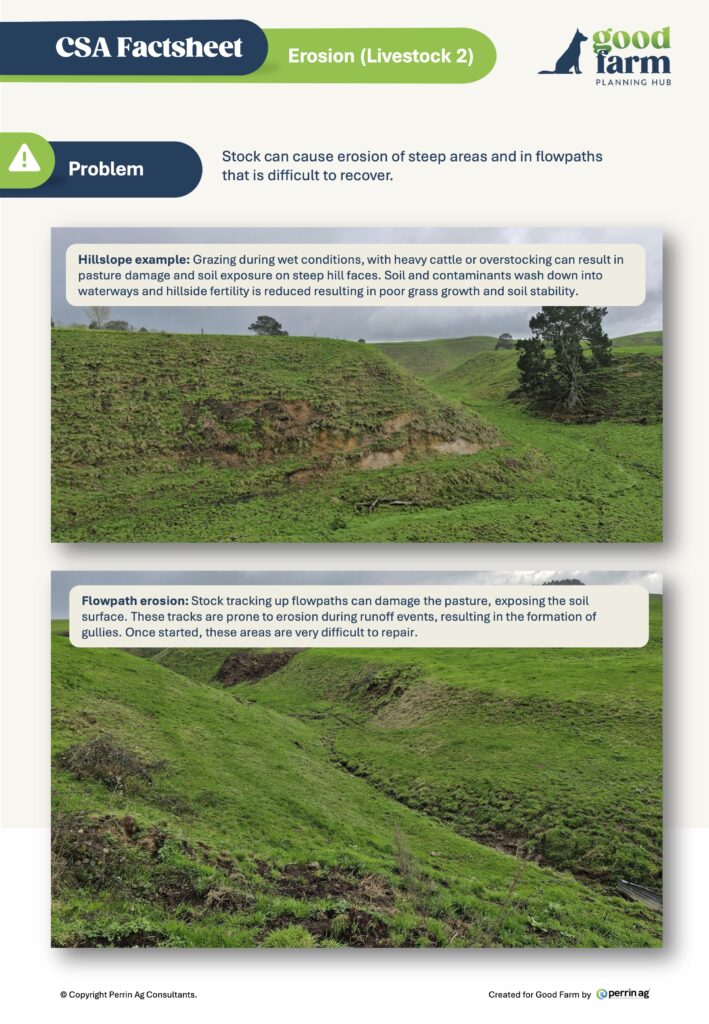
Cultivation: reducing risk, protecting waterways
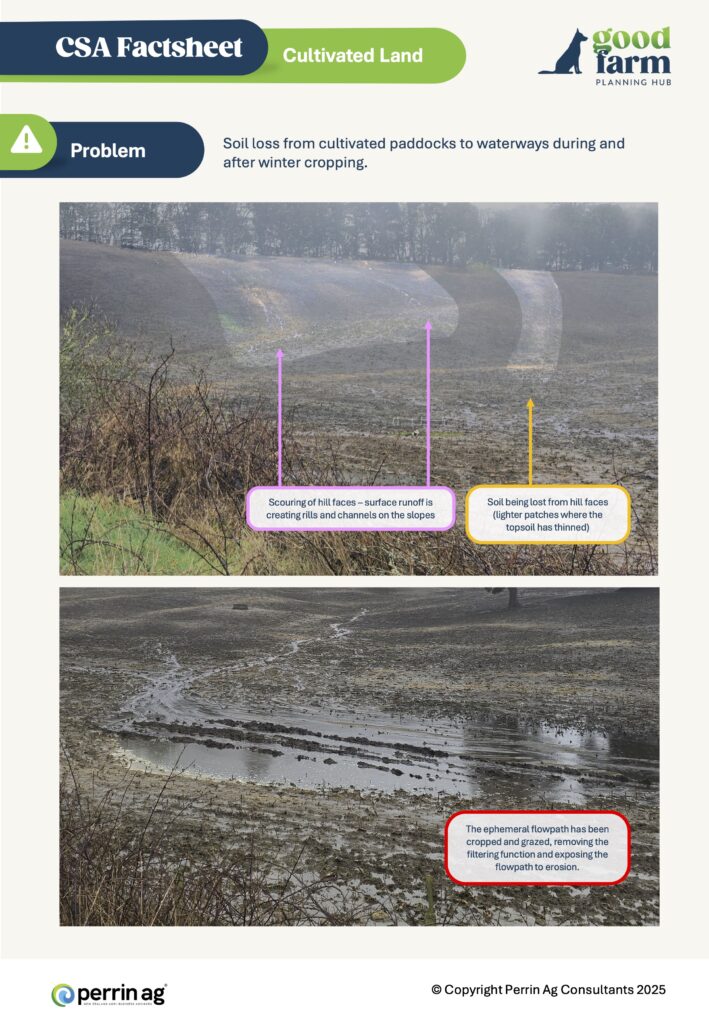
Cultivation is a valuable tool, but it comes with risks to soil and water.
This video breaks down the key rules, where the biggest risks sit, and the practical steps that can reduce soil loss, nutrient runoff and erosion when cultivating or cropping.
From paddock selection to fallow periods and soil-saving techniques, it’s about doing the job well and protecting water quality at the same time.
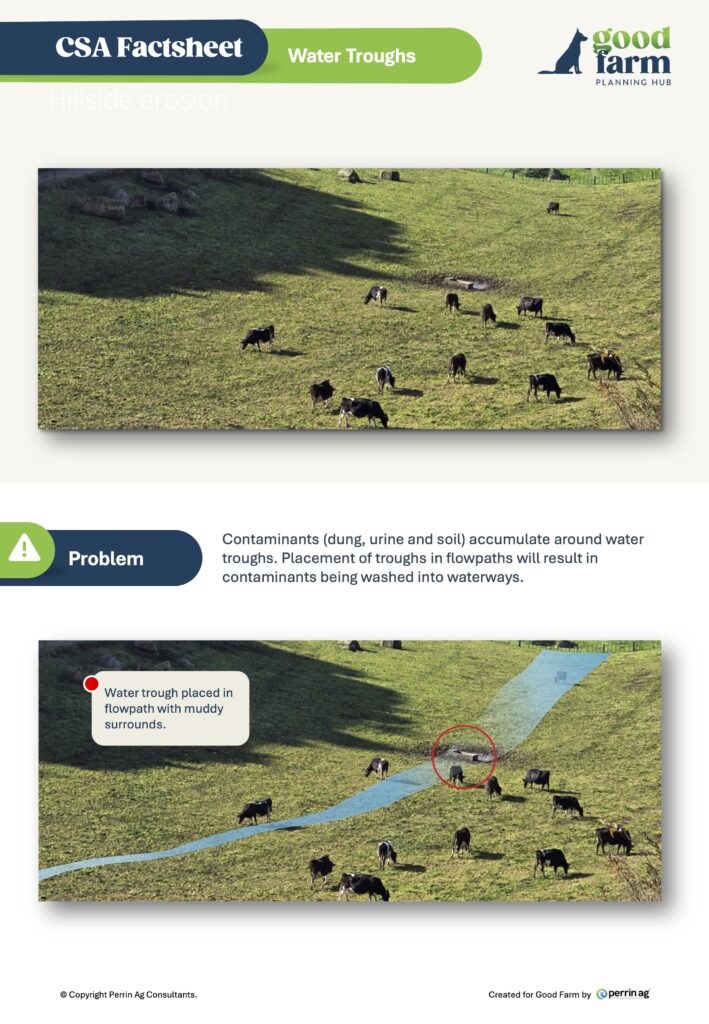
Culvert crossings: getting it right for stock, streams and fish
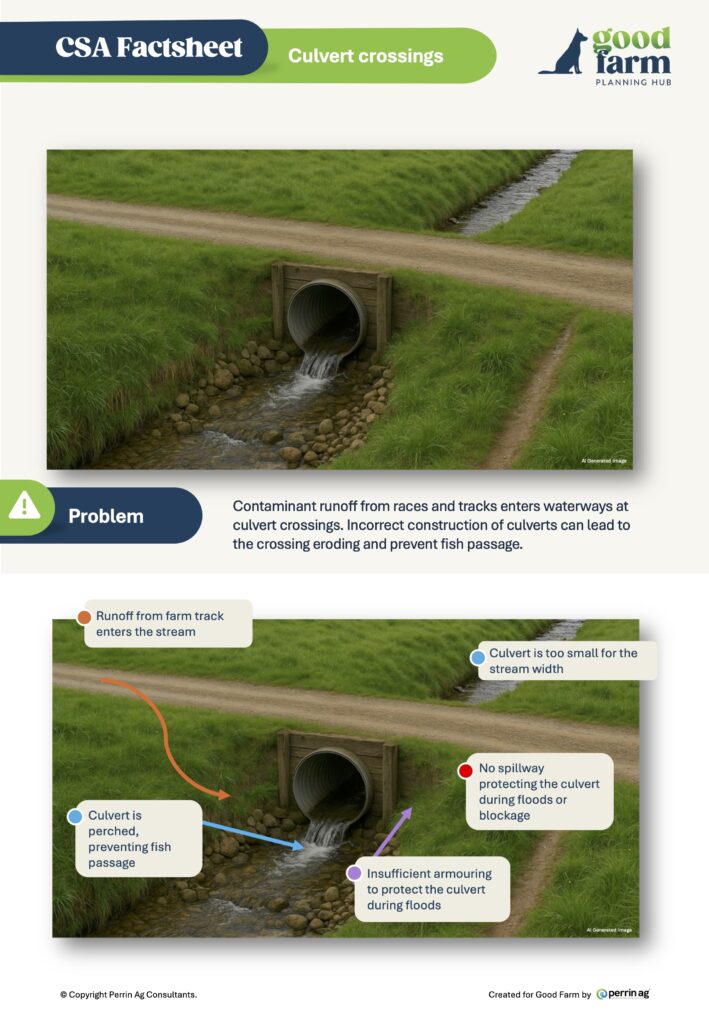
Culverts are a simple, low-cost way to move stock and machinery across waterways, but only if they’re sized, placed and installed properly.
This video covers the common problems, the key regional and national rules, and practical tips to reduce erosion, protect fish passage and avoid costly failures.
A good culvert protects your crossing and your stream. Is it time to check yours?
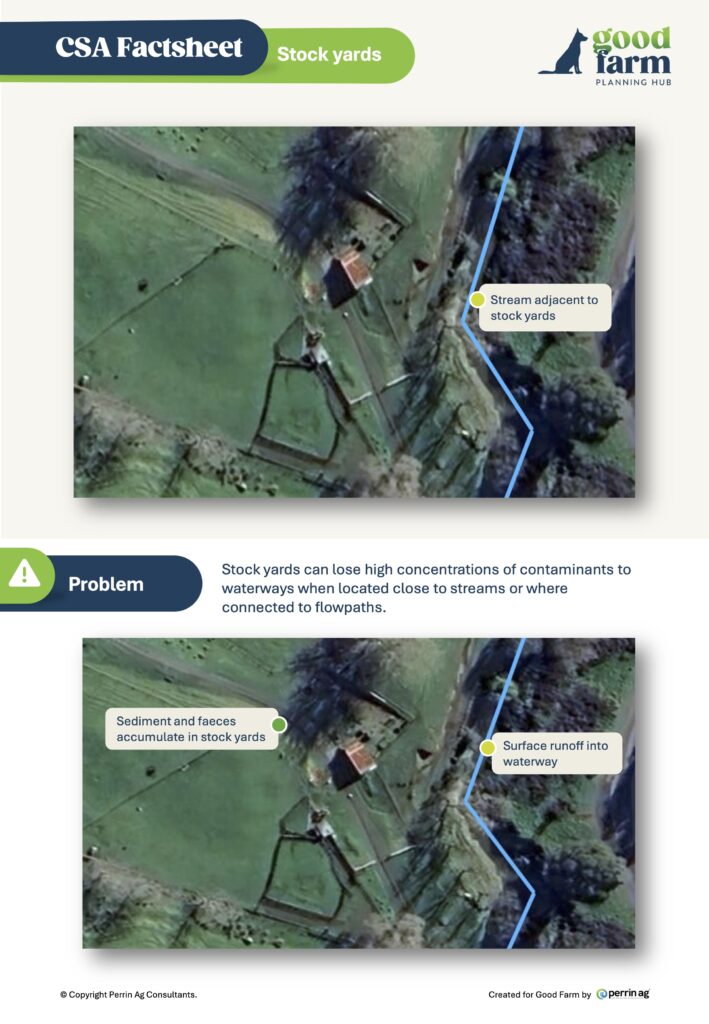
Effluent storage: staying compliant and reducing risk
Good effluent storage reduces the risk of discharges to waterways and helps you get more value from nutrients already on farm.
This video walks through key consent requirements, common storage issues to watch for, and practical ways to reduce effluent volume.
Looking after your system supports compliance and can save on pumping costs. Are there a few small changes you could make?
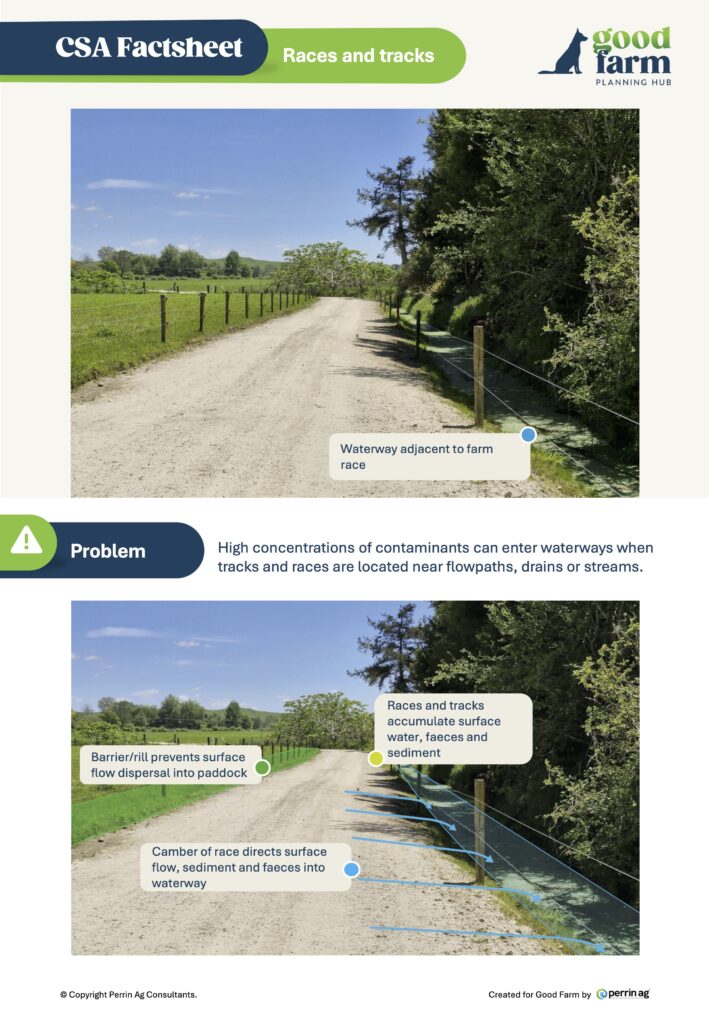
Effluent application: getting the most value, reducing the risk
Applying effluent well protects waterways, supports compliance and helps grow grass while reducing fertiliser costs.
This video covers key consent conditions, system checks to improve application performance, and practical tips to reduce run-off and nutrient loss, from pressure checks and bucket testing to matching application rates with soil and slope.
Applied well, effluent is a valuable nutrient. Applied poorly, it becomes a liability. Which is it on your farm?